

The different stages towards forming proper friendships
How do young children learn to socialise with other people? How and when do they start making friends?
Your baby’s social skills begin to develop from birth. You and the other people close to your baby are your baby’s first friends. As they get to know you and enjoy interacting and playing with you, you become their first playmates. With a bit of help from you they will learn how to interact with other people and other babies and toddlers too.
It is a slow process
Between birth and three, your baby’s social skills gradually mature. From birth, your child begins the process of learning to adapt and respond to the people around them. During the first year, your baby focuses mainly on discovering what they can do and their interactions will be limited to close relatives, with a preference for their parents.
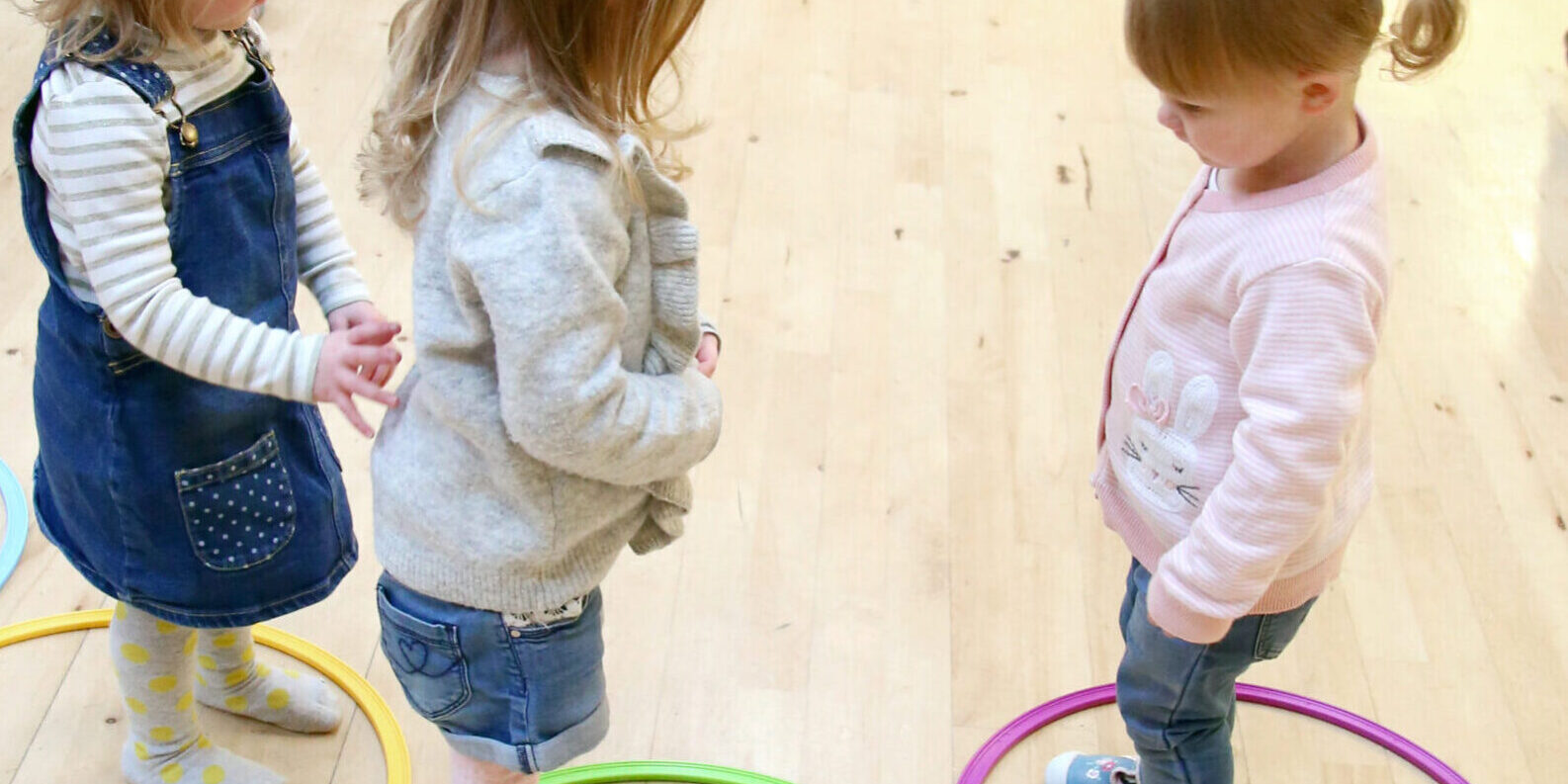
From around two years, children begin to enjoy interacting with other children. Through trial and error, their ability to socialize and play with other children improves. Children will at first be unable to share their toys, but by age three will be more comfortable doing so, and might even have meaningful friendships. When two babies under one year old are put next to each other with a set of toys, they usually play side by side but not with each other. Babies this age really like their immediate family best, and they may even begin to be afraid of unfamiliar people. This is known as stranger anxiety.
If your child develops stranger anxiety, don’t be upset or embarrassed. Babies normally become nervous around unfamiliar people at approximately seven months. These behaviours are protective in nature, but with a little help from you, can be gradually phased out. For example, if they cry when you put them in a distant relative’s arms take them back in your arms and try a slow desensitization process. First wait until they are comfortable in your arms while the other person is around. Then, have the individual talk and play with your child while you hold them. Then, hand them over to the other person for a short time, and stay close. Finally, try to leave the room for a few minutes, and see how it goes. If your child bawls, take them back and comfort them, and try again another time.
Children tend to become even more self-centred between the ages of two and three. They haven’t yet developed empathy, and find it difficult to understand that other people have feelings too. As they age, they learn how to share and take turns. This is more likely with close friends that they cherish, as children this age are still self-centred by nature. Try not to worry too much about your child behaving selfishly, but still attempt to show them how you want to behave. Make a point of saying “please” and “thank you”, and compliment them on any selfless behavior. Make sure your child has the opportunity to be with other children, and a chance to learn how to make and keep new friends.
What comes next?
Developing socially is a gradual process, but soon your child will have their own active social life. As your child grows, they will learn about how to respond to others and how to enjoy their company. Children naturally gravitate towards other people, especially children, and much of their learning comes from directly observing their peers. Maximise the opportunities your child has to practice socializing, and proudly watch as they develop meaningful, lasting friendships.
Useful Books
The Baby in the Mirror – A Child’s World from Birth to Three, Charles Fernyhough, Granta, ISBN 978-1-84708-007-3


