

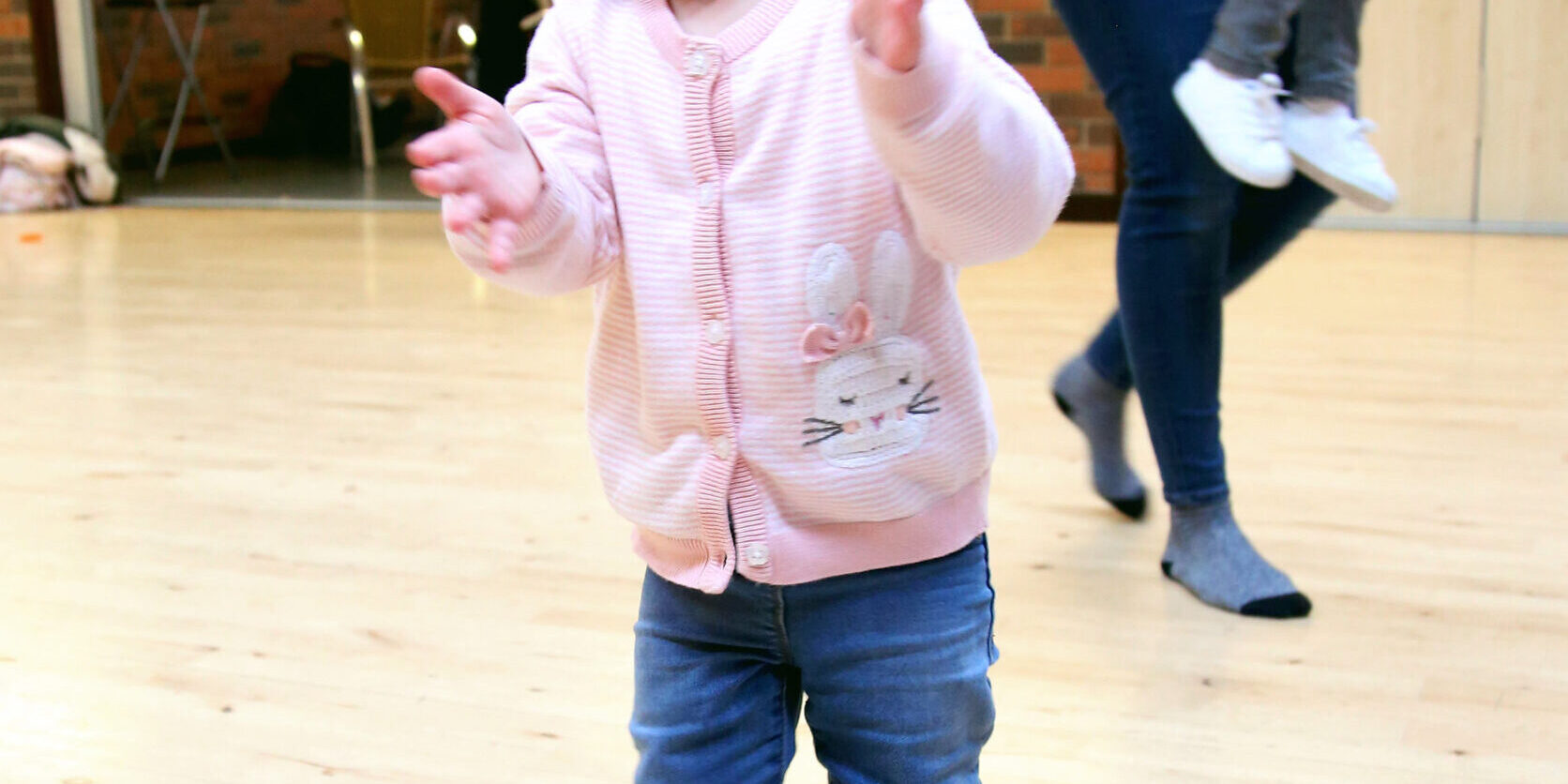
Whole Body Movements: Understanding Your Child’s Gross Motor Development
Gross motor development is a fascinating journey that every parent anticipates as their child grows. We are all impatient for those magic first steps. It involves the large muscles that govern essential movements of the head, shoulders, arms, back, abdomen, and feet. These abilities underlie every physical action we take. Both gross motor skills and fine motor skills play crucial roles in enabling children to become physically active and gain control over their bodies, setting the stage for a lifetime of movement and exploration.
What Are Gross Motor Skills?
Gross motor skills encompass the larger movements your baby makes using their arms, legs, feet, or their entire body. Think crawling, running, and jumping – these are all prime examples of gross motor skills in action.
Is Gross Motor Development Automatic?
As your child continues to grow, gross motor development unfolds naturally, guided by their own unique pace. However, the progress of this development is not solely automatic; it also hinges on practice and repetitive exercise. Your baby’s environment plays a pivotal role in igniting and nurturing this natural process. Providing your child with the right play and activities will not only stimulate their curiosity but also promote the seamless advancement of their gross motor skills in alignment with their individual needs.
Gross Motor Development: A Marvellous Combination
Gross motor development is a remarkable interplay between the brain, the nervous system, and the muscles. In the first three years of life, your child’s gross motor development unfolds dramatically. Infants swiftly transition from being entirely reliant on involuntary reflexes to becoming active and self-sufficient little explorers who can run, jump, throw, and kick a ball, among other feats.
Taking One Step at a Time
It’s important to understand that gross motor development follows a well-defined pattern, with each stage laying the foundation for the next. For instance, your baby will start to sit up once they can confidently lift their head and chest off the ground, supported by their developing arm strength. The progression of this development is typically from the neck muscles downward, moving from the core of their body outward and eventually encompassing their entire body.
The Head-to-Toe Journey
Gross motor development commences at the head and gradually makes its way down the body. A newborn baby initially gains control over their mouth, face, lips, and tongue, with their abilities expanding over time to encompass control of their neck, followed by their shoulders, back, arms, hands, and fingers.
A Hierarchy of Skills
In the grand scheme of development, gross motor skills take precedence over fine motor skills. This means that your child will typically be able to coordinate their arms before mastering the delicate task of transferring a toy from hand to hand.
Understanding this hierarchy and the natural progression of gross motor development can help you appreciate the beautiful journey your child is embarking on. It’s a journey marked by significant milestones, and with the right support, your child will continue to surprise you with their newfound abilities and discoveries. Inevitably their much anticipated first step might be when you don’t have your phone camera to hand or when they are not with you but try and spot all the other motor development firsts too…
What can I do to help with gross motor development?
Natural motivation and curiosity are the underlying factors of this phased development, but appropriate environment, play and exercise enhances the process, and development progresses at a pace that is determined by a complex combination of maturity and practise. A mature baby’s gross motor skills will not develop at a healthy pace if they are not given the proper environment and stimulation. Conversely, a baby who is not yet mature enough, will not progress to the next step or even on to their “first step”, no matter how many opportunities we give them to practise crawling on the floor.
You might find this link useful
Which Baby College activities are particularly helpful?
The replacement of your baby’s infant reflexes in combination with the maturation of their vestibular (balance system) is key to their gross motor development. For small babies, tummy time exercises are especially beneficial for this. Tummy time helps babies strengthen their necks, back, and shoulder muscles which are required to meet infant developmental milestones such as holding the head up, rolling, sitting, and crawling.