

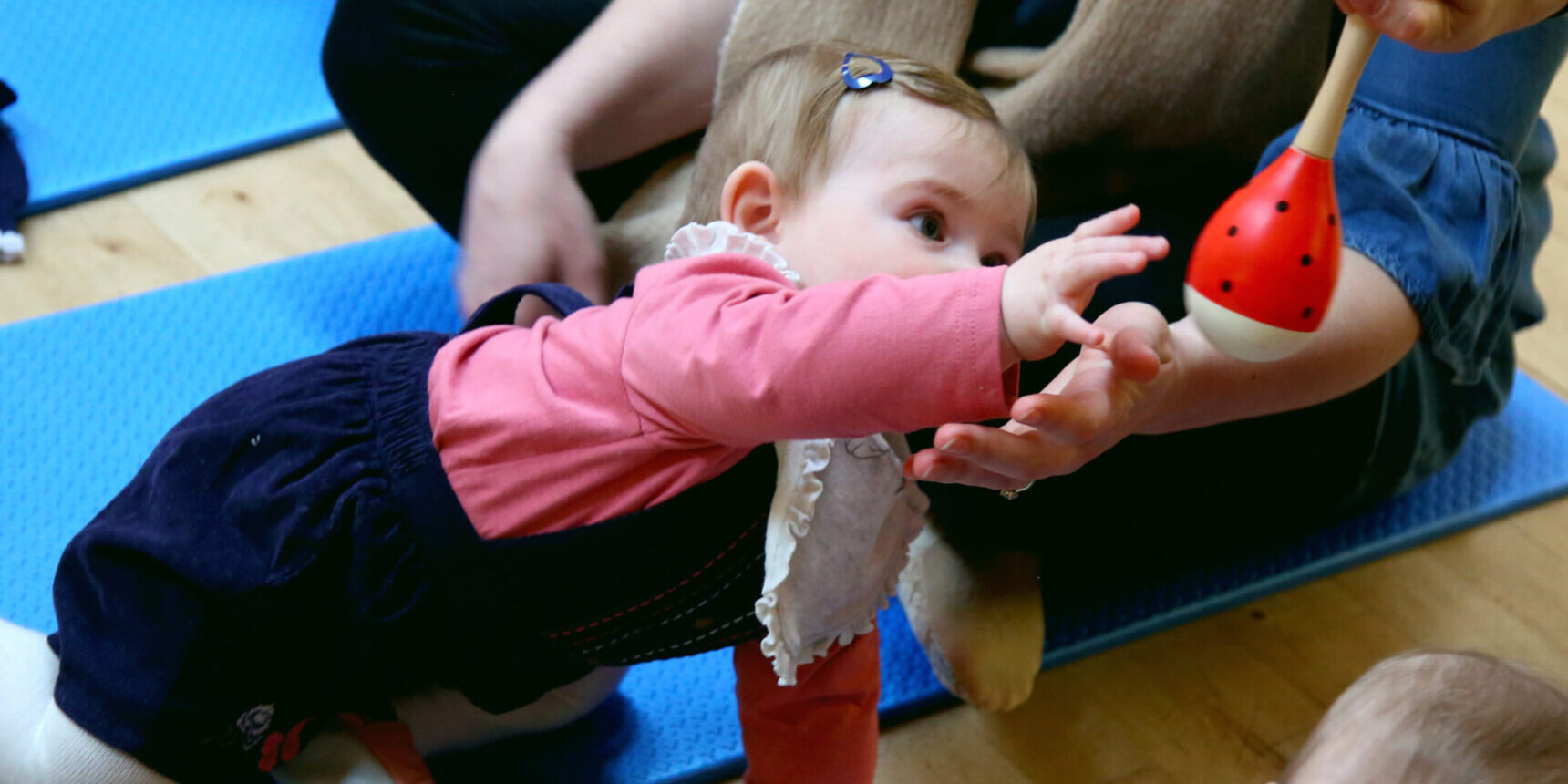
Children’s musical development is a fascinating and multifaceted journey that begins in the womb. Just like language skills and creativity, musicality is influenced by genetics and the environment in which a child is raised. The home environment, as well as the interactions with family and friends, play a crucial role in nurturing a child’s musical abilities. In this article, we will explore the stages of musical development in babies and how their exposure to sounds and interactions shapes their musical journey.
Hearing in the Womb
Even before birth, babies are capable of hearing. Research suggests that from about 20 weeks gestation, they can respond to low-frequency sounds, gradually progressing to higher frequencies. Although the womb filters out certain components of voice, babies can still detect important cues like loudness, rhythm, and melody. The mother’s voice elicits the strongest response, and babies can recognize familiar voices and tunes they were exposed to during pregnancy.
The “Soap Opera” Connection
An intriguing study published in The Lancet in 1988 shed light on the impact of auditory exposure during pregnancy. Mothers reported that their newborns seemed attentive to television, particularly their favorite soap operas. A controlled experiment revealed that babies who had been frequently exposed to a signature tune associated with relaxation during pregnancy showed a remarkable response after birth. Upon hearing the theme, they stopped crying and adopted a quiet attentive state. This suggests that long-term exposure to specific sounds during pregnancy is remembered and associated with a response after birth.
Musicality in Human Interaction
Newborn infants are naturally predisposed to connect with others, and their interactions with caregivers form the foundation for meaningful exchanges. Psychologists refer to this non-verbal communication as “communicative musicality.” Through gestures, facial expressions, and later, jokes and games, adults engage in a rhythmic dance of continuous communication with babies. The use of musical terms like ‘tone,’ ‘rhythm,’ ‘dynamics,’ and ‘harmony’ highlights the inherent musical nature of this interaction.
Engaging Musically with Babies
Singing and chanting with babies is a powerful way to bond and express emotions. You don’t need to be a professional singer; what matters most is that the baby hears your voice. Recorded music can be used, but your voice offers a more personal connection. Beyond singing, there are numerous ways to tune into your baby’s musicality, such as imitating their babbling, playing with names, using different voices, and incorporating sound effects during activities like reading a picture book or playing with a puppet.
Musical Play and Exploration
To empower your child’s musical exploration, you can create a noisy treasure basket using safe household objects that can be shaken or rattled together. Smooth pebbles, marbles, metallic boxes, bells, and wooden spoons can provide intriguing sounds and tactile experiences. Copying games, rocking and swinging to music, and creating restful moments with gentle rocking and lullabies are additional ways to engage musically with your baby.
Conclusion
From the womb to early childhood, a child’s musical journey is intertwined with hearing, language development, and creativity. The environment they are raised in, including the responsiveness of family and friends, plays a vital role in shaping their musicality. By understanding the stages of musical development and actively engaging with babies through singing, play, and interaction, we can foster their innate musical abilities and create meaningful connections that will enrich their lives. Let’s embark on this musical adventure together, embracing the joy and wonder of our little ones’ musical expression.
Here is a lovely book about musical development in pre-schoolers: Music with the Under-Fours – Susan Young (ISBN: 9780415287067)


